What Happened During PM Singapura’s Visit to Jakarta: Key Details on Road Closures and Traffic Management
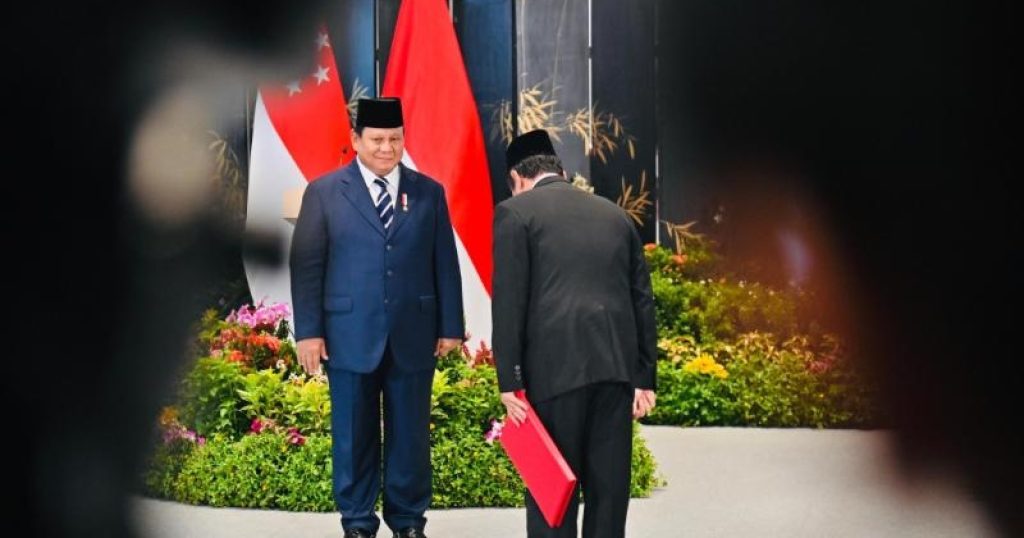
Pondokkebaikan.com – During the visit of Singapore’s Prime Minister Lawrence Wong to Jakarta from July 5 to 6, 2026, temporary road closures were implemented to ensure smooth traffic flow and secure the event. The Polda Metro Jaya took charge of managing the city’s transportation system, with specific routes designated for the Prime Minister’s motorcade. This initiative aimed to minimize disruptions while accommodating the high volume of vehicles expected during the state visit.
Rationale Behind the Traffic Adjustments
The decision to close certain roads was part of the comprehensive security and logistical planning for the PM’s arrival. With a focus on safety and efficiency, the police emphasized that the closures would be temporary, lasting only as long as the procession required. This approach allowed the public to continue moving through Jakarta without prolonged inconvenience.
According to Kompol Robby Hefados, head of the Operational Support Division at Polda Metro Jaya, the road closures were strategically planned to align with the Prime Minister’s schedule. The event, which began in the evening of July 5, 2026, required heightened vigilance, prompting authorities to adjust traffic patterns to prevent congestion. “What Happened During the visit will be meticulously managed to ensure seamless movement and security,” he stated, highlighting the importance of coordination between police and local transport agencies.
“Indonesia menerima kunjungan kenegaraan Perdana Menteri Republik Singapura, Y.M. Lawrence Wong, yang akan berlangsung pada Minggu-Senin, 5 sampai dengan 6 Juli 2026,” ujar Robby dalam keterangannya. “Penutupan jalan hanya akan dilakukan saat rombongan tamu negara melintas, sementara waktu lainnya jalur tetap terbuka untuk masyarakat.”
The specific routes affected included Jalan Raya Halim Perdanakusuma, Jalan MT Haryono, Jalan Gatot Subroto, Jalan Jenderal Sudirman, and other key corridors. These areas saw restricted access to accommodate the motorcade and ensure the Prime Minister’s safe passage. Residents and commuters were advised to use alternative routes and adhere to traffic advisories to avoid delays.
What Happened During the visit also prompted discussions about the city’s infrastructure and emergency preparedness. The temporary closures tested Jakarta’s ability to manage large-scale events, with police using real-time monitoring to adjust strategies as needed. Public transportation was prioritized, with buses and trains given priority lanes to reduce the burden on private vehicles. This measure aimed to minimize environmental impact while ensuring the PM’s itinerary remained on schedule.
The event was part of a broader diplomatic engagement between Indonesia and Singapore, focusing on bilateral cooperation and regional stability. What Happened During the visit will be closely analyzed to assess the effectiveness of traffic management protocols and provide insights for future state events. Officials emphasized that the closures were a necessary step to uphold the country’s reputation for organized and secure international meetings.
In addition to road closures, nearby areas were designated as pedestrian zones, with security checkpoints set up to control access. The police also encouraged citizens to stay informed through official channels, such as social media and traffic updates, to navigate the changes smoothly. These efforts underscored the importance of public awareness in supporting large-scale national events.